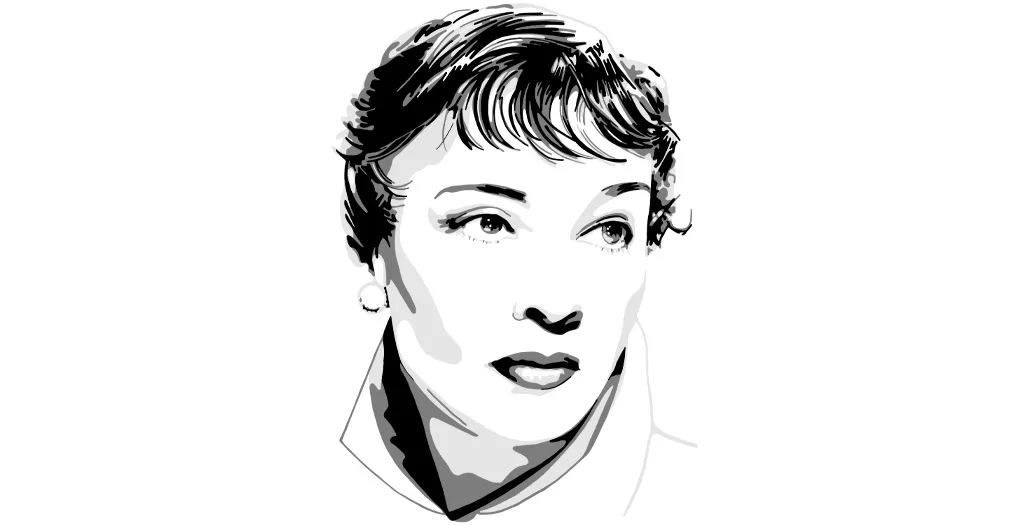
Before Bruce Lee. Before Hollywood even knew what to do with Asian talent—there was Sessue Hayakawa.
Elegant, enigmatic, and one of the first matinee idols of any race, Hayakawa captivated early 20th-century audiences in a way few actors ever have. He wasn’t just a Japanese actor in Hollywood—he was a bona fide star in the silent era, one of the first real matinee idols and sex symbols of the time, making more money than most of his white contemporaries, commanding the screen with smoldering charisma and layered performances and finding fame that rivalled that of Douglas Fairbanks, Charlie Chaplin and John Barrymore. And yet, his story is more than one of stardom. It’s a story of cultural identity, resilience, reinvention, and rebellion against the narrow roles the industry tried to assign him.
This is the story of Sessue Hayakawa—the man who broke barriers while playing by no one’s rules but his own.